

Air pollution is a health and environmental issue across all countries of the world.
Air pollution – the combination of outdoor and indoor particulate matter, and ozone – is a risk factor for many of the leading causes of death including heart disease, stroke, lower respiratory infections, lung cancer, diabetes and chronic obstructive pulmonary disease (COPD).
Given the severity of the issue, it continues to be one of the more acceptable life-risk factors. For many, living in polluted areas is a fact of life.
Globally, air pollution is one of the leading risk factors for death. In low-income countries it tops the list. In 2017, it was responsible for an estimated 5 million deaths globally. That means it contributed to 9% – nearly 1-in-10 – deaths. Every year, air pollution causes up to 36,000 deaths in the UK.

But the impact goes beyond death – studies have shown links between air pollution and many life altering diseases, such as dementia and alzeihmers.
The burden of air pollution tends to be greater across both low and middle income countries for two reasons: indoor pollution rates tend to be high in low-income countries due to a reliance on solid fuels for cooking; and outdoor air pollution tends to increase as countries industrialize and shift from low-to-middle incomes.
However, richer countries, such as the UK are not without risk. Millions of British children attend schools where air pollution is worse than the World Health Organization limit, campaigners have said.
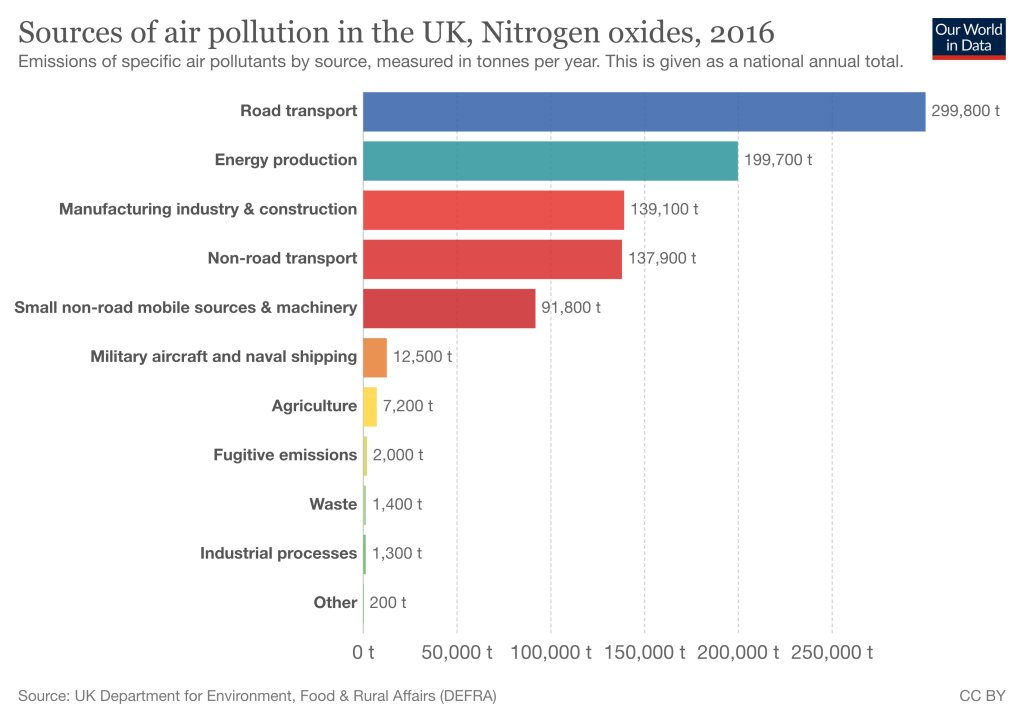
Despite the green recovery, analysis published today found that more than a quarter of schools, from nurseries to sixth-form colleges, were in locations with high levels of small particle pollution. This means an estimated 3.4 million children are learning in an unhealthy environment, said Global Action Plan.
This comes as new research has found a spike in the number of children visiting the GP with asthma problems due to increased air pollution. In many areas, road traffic has increased beyond pre-pandemic levels. This poses concern about the long-term impacts of this rise.
Of 12 cities investigated, the research – which analysed nitrogen dioxide and fine particulate matter level – found Tower Hamlets, Camden, Haringey, Bexley, Bloomsbury, Eltham, North Kensington are already back to pre-Covid levels.
Today is Clean Air Day. It is the UK’s largest air pollution campaign, engaging thousands of people at hundreds of events, and reaching millions more through the media.
There still seems to be a lack of realism amongst many about how to tackle pollution in the UK. Whilst many argue that car-centric town planning will lower levels of pollution, it has only added to the problem.
More radical thinking is needed to tackle air pollution. City planners should make the shift towards active travel, making it more pleasant to walk and cycle. There needs to be better education about the risk of air pollution and stronger discentives against driving to schools.
We have an opportunity to build greener and cleaner cities, whilst lowering air pollution levels and protecting nature – ultimately reducing our exposure to air pollution and the impact it has on children. This should be at the heart of all recovery plans.

 onsundays.tech.blog